Terror has never felt this personal. Eyes of the Dead (2015) takes the zombie apocalypse and twists it into something far more intimate — a first-person descent into madness, filmed entirely from the main character’s point of view. This isn’t just another undead outbreak; it’s a raw, claustrophobic nightmare that puts the audience inside the skin of a dying man.
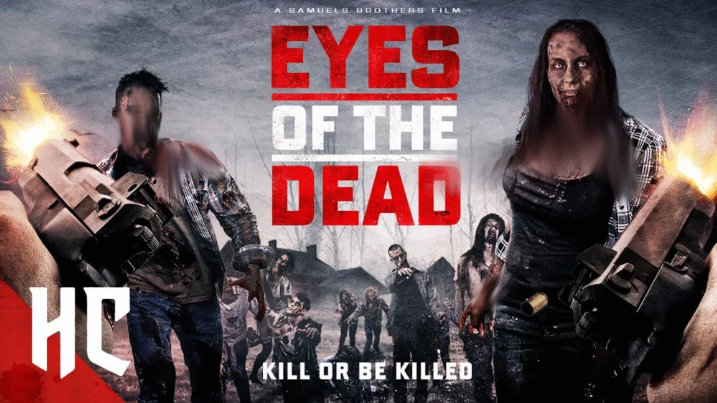
The film follows a small-town father (played by Aaron Seh) trying to protect his family when a mysterious virus turns neighbors into flesh-hungry monsters. But here’s the hook — the story unfolds through his eyes. Every scream, every bite, every desperate breath is seen in real time. The camera never blinks, never turns away, trapping the viewer inside his collapsing sanity as the infection takes hold.
Directed by Ben Samuels, Eyes of the Dead merges horror and innovation with brutal authenticity. The first-person perspective isn’t a gimmick; it’s a weapon. As the world decays, so does the clarity of what we see — colors distort, sound warps, and flashes of memory collide with blood-soaked reality. It’s not about survival anymore; it’s about losing control of your own body.
The result is unnervingly immersive. The film feels less like watching and more like experiencing the end of the world. The camera jerks and staggers, reflecting the protagonist’s confusion and terror. Every zombie encounter hits harder because you can’t look away — you are the victim.
For a low-budget production, the craftsmanship is remarkable. The practical effects — splattered gore, decaying faces, twitching corpses — carry the tactile grit of classic horror. The sound design amplifies the unease: distant screams, dripping blood, and the muffled heartbeat pounding in your ears as if it’s your own.
But beneath the carnage lies something unexpectedly emotional. As infection spreads, our protagonist starts to see flashes of his family — his wife’s face, his child’s laughter — blending with hallucinations of hunger and guilt. The deeper he descends, the blurrier the line between man and monster becomes. It’s not just a horror story; it’s a tragedy about identity slipping away.
What Eyes of the Dead does best is confront the audience with a question no zombie film has dared ask: what if you are the threat? When the perspective finally shifts — revealing what others see when they look into his eyes — the horror becomes heartbreak.
At just over an hour, the pacing is relentless. The film never lets you breathe, and when the ending comes, it feels less like closure and more like surrender. The last image — a reflection caught in a shard of glass — lingers long after the screen fades to black.
It’s not a blockbuster. It’s not polished. But it’s bold, original, and haunting in its simplicity. Eyes of the Dead may not appeal to everyone, but for horror purists craving raw experimentation, it’s a chilling reminder that terror isn’t about what we see — it’s about what we can’t escape seeing.